
Gum Disease Treatment – Richardson
Protecting Your Smile from Infection
Gum disease often starts with mild symptoms such as swelling and gums that bleed easily. Without treatment, your condition will grow more severe and eventually reach the point where it could lead to tooth loss or contribute to heart problems and other dangerous health issues. Here at Jupiter Family Dental of Richardson, our team can help you keep gum disease under control, so it doesn’t put the rest of your mouth and body at risk. Call us to schedule your appointment for gum disease treatment in Richardson.
What Choose Jupiter Family Dental of Richardson for Gum Disease Treatment?
- Thorough, Gentle Deep Cleaning
- Friendly, Understanding Dentist
- Modern, Comfortable Dental Office
What Is Gum Disease?
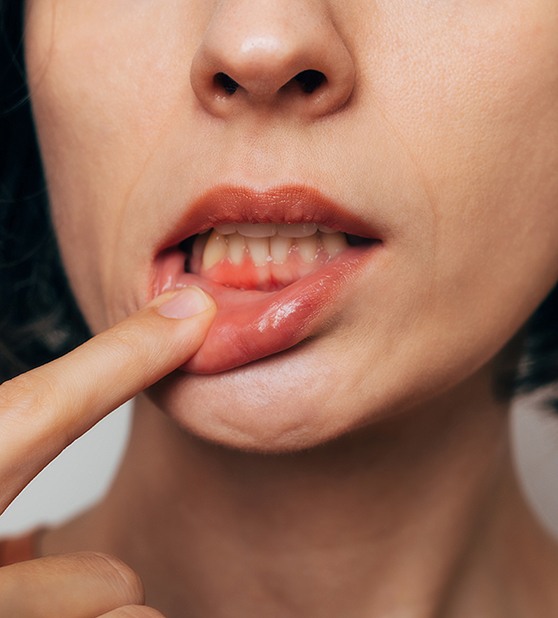
Gum disease is an infection of the gums and supportive tissue in the mouth. A lot of the time, it is a result of plaque and tartar buildup due to poor oral hygiene. This can result in permanent gum damage, tooth loss, and other serious health problems. There are two stages of gum disease. Here’s what they consist of.
- Gingivitis: This is the earliest stage of gum disease. It can usually be reversed by improving your dental hygiene routine at home and seeing your dentist for professional cleanings and exams.
- Periodontitis: This is the more advanced stage of gum disease. At this point, it can’t be cured – only managed. Management is necessary to prevent further infections and serious complications – like tooth loss.
Many factors affect your risk of developing gum disease. The most common ones include smoking, chewing tobacco, poor oral hygiene, genetic factors, immune-compromising conditions, medication, and hormonal changes, like pregnancy.
Symptoms of Gum Disease
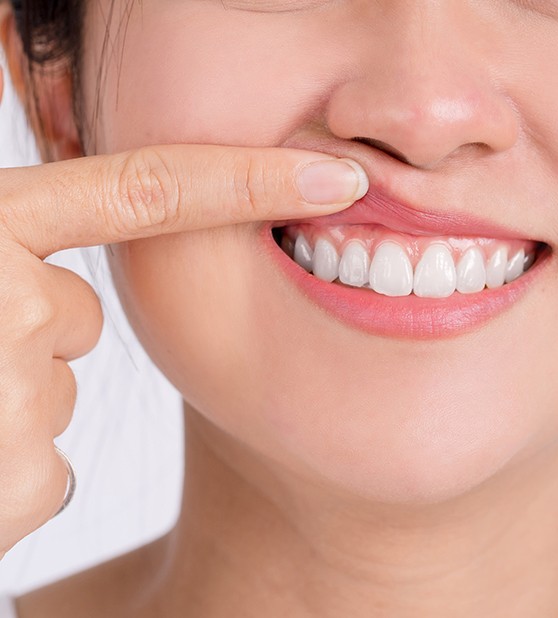
Gum disease is incredibly common, so it is important to always be on the lookout for symptoms. Here are some of the most notable ones.
Gingivitis:
- Halitosis (bad breath)
- Bleeding when brushing and flossing
- Red, inflamed gum disease
- Gum tenderness
- Recession of the gums
Periodontitis:
- Pain when chewing
- Loose teeth
- Sensitive teeth
- Bite changes
- Tooth loss
How Do We Treat Gum Disease?
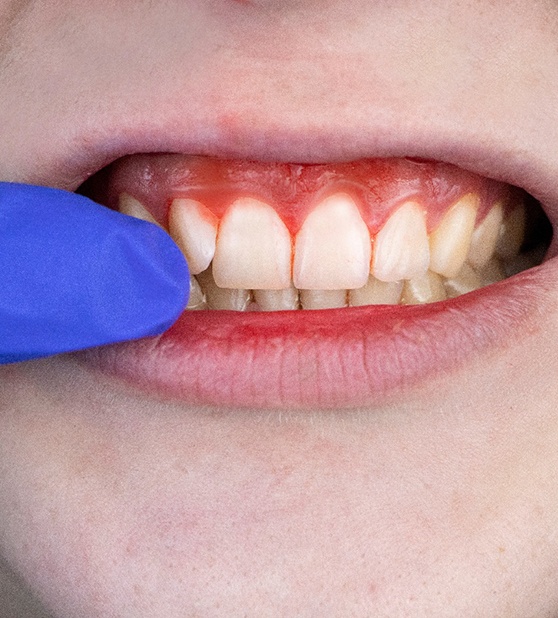
Depending on the severity of your gum disease, we might recommend the following treatment option.
Scaling & Root Planing
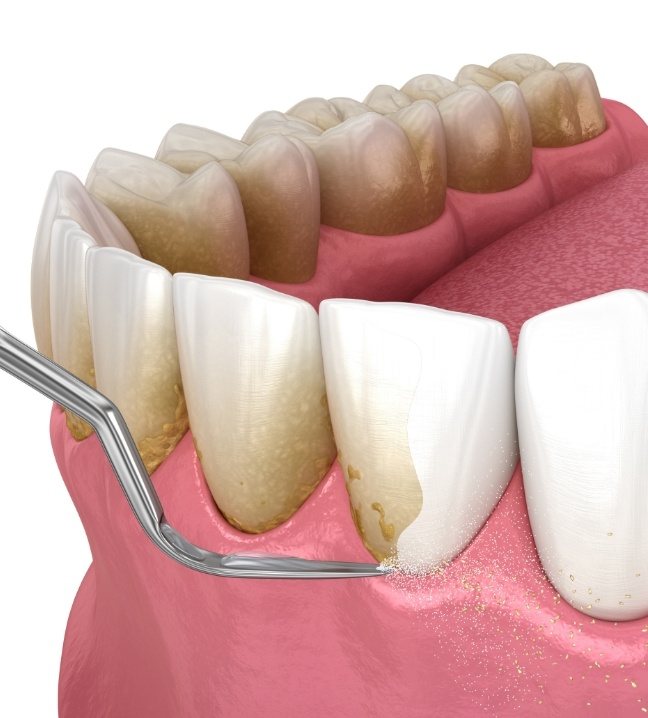
The plaque and tartar causing gum disease often extends past the gumline where you can’t reach them with a toothbrush or dental floss. That’s why we need to perform a deep cleaning that consists of scaling and root planing. Scaling is the process of actually removing plaque and tartar from your teeth and gums. Meanwhile, root planing is where we smooth out the roots of your teeth, making it easier for them to reattach to the gums and prevent reinfection.
Do I Need Scaling & Root Planing?

It can be difficult to tell how far along gum disease is without X-rays or professional training, so the only way to know for sure is to visit our office for an oral exam. If your case of gum disease appears to be relatively mild, we’ll likely recommend increasing your oral hygiene efforts at home. However, if your case seems to be more advanced and gum disease bacteria have spread deeper into your gums, then you could very well need scaling and root planing.
The Process of Scaling & Root Planing
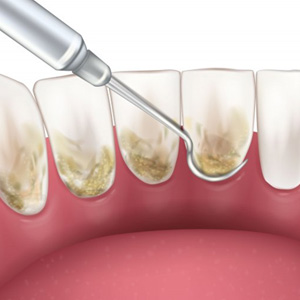
“Scaling” is the first part of the treatment process. For this step, Dr. Hsia will use special dental instruments to remove plaque and tartar not just from the surface of your teeth, but also from below your gumline. This will eliminate gum disease bacteria from your smile.
During the “root planing” portion of your treatment, Dr. Hsia will gently smooth out your dental roots by massaging your gums. This step is less about getting rid of bacteria and more about helping your gums recover and avoid future reinfection. Root planing will close any empty pockets caused by tissue damage and encourage your gums to reattach to your dental roots, restoring the hold they should have on your teeth and limiting where bacteria can hide.
Aftercare Tips for Scaling & Root Planing

It’s normal to experience mild oral discomfort and sensitivity for a few days after scaling and root planing. Your gums may also bleed or appear swollen. You should be able to manage these symptoms with over-the-counter pain relievers, but please let us know if your pain becomes severe or if bleeding persists.
We recommend avoiding food with hard textures or strong flavors while your gums heal, as these types of snacks could cause uncomfortable irritation. It’s important to continue brushing and flossing on a daily basis, but don’t worry – our team will provide you with detailed hygiene instructions that will help you avoid aggravating the treatment area.
Please don’t hesitate to let us know if you have any questions about aftercare or any other aspect of your gum disease treatment in Richardson. Our team is happy to help and wants you to have a smooth recovery!